


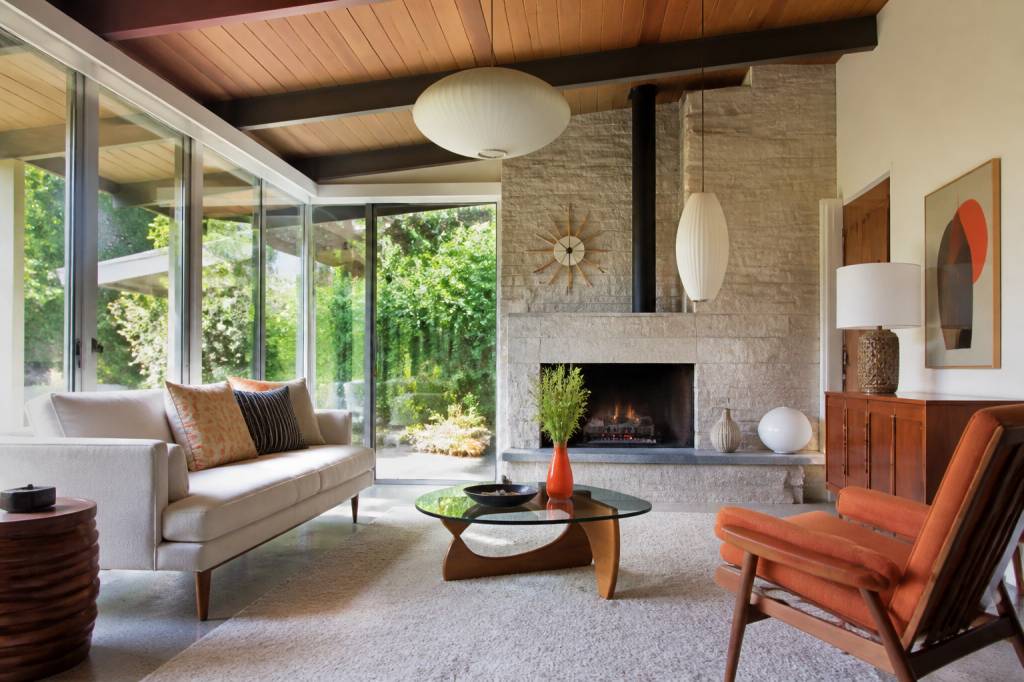
Mid-century modern design has outlived plenty of trends for one simple reason: it still works. The clean lines, warm woods, practical layouts and sculptural details that defined the 1950s translate beautifully into contemporary homes, whether you live in a compact city flat, a postwar house or a new-build that needs a bit more character. The trick is not to recreate a film set from the period. It is to borrow the best parts of 50s design and edit them so they sit comfortably in a modern interior.
If you get that balance right, the result feels calm, functional and a little bit confident. If you get it wrong, you end up with a room that looks like a vintage shop exploded. Not ideal. The good news is that 50s design is one of the easiest styles to adapt because it already values simplicity, smart storage and honest materials. That makes it a strong fit for modern living.
Why 50s design still works in modern interiors
The 1950s were a period of optimism, new materials and practical problem-solving. Homes were becoming more efficient, furniture was being designed for everyday use, and interiors were moving away from heavy ornament. That legacy is exactly why the style still feels relevant today.
Modern interiors often need the same things: visual clarity, flexible furniture and materials that age well. 50s design delivers all three. It gives you structure without rigidity and warmth without clutter. In other words, it is not just pretty; it is useful.
The core strengths of the style are easy to spot:
- simple silhouettes that do not overwhelm a room
- warm timber tones that soften contemporary finishes
- low-profile furniture that keeps sightlines open
- graphic shapes and subtle curves that add personality
- practical layouts that suit real life, not just photos
That last point matters. A lot. A modern home needs to handle laptops, chargers, coats, toys and the rest of the usual domestic chaos. 50s design can cope with that because it was never about excess. It was about making interiors work harder with less.
The key visual ingredients of 50s style
Before you start shopping, it helps to understand what actually makes a room feel 1950s-inspired. You do not need every piece to be authentic vintage. You need a few clear references, used with restraint.
The main ingredients are usually:
- Tapered legs: on chairs, sideboards, sofas and tables, these instantly lighten the look.
- Organic curves: rounded arms, kidney-shaped tables and soft-edged mirrors bring a gentler feel.
- Teak, walnut or oak: medium-to-dark woods add depth and warmth.
- Muted but distinctive colour: mustard, olive, rust, tobacco, petrol blue and soft pink all work well.
- Graphic patterns: think geometric prints, sunburst motifs and subtle atomic-era references.
- Functional detailing: sliding doors, built-in storage and simple hardware keep things tidy.
If you only remember one thing, remember this: 50s design is about proportion. A single well-chosen walnut sideboard can do more for a room than ten “retro” accessories. More style, less souvenir shop.
How to use 50s design without making your home look themed
This is where many people hesitate. They like the style, but they do not want a room that feels like a period drama set. Sensible instinct. The best way to avoid that is to use 50s design as a layer, not as a costume.
Start with your existing interior and identify the elements that can carry the look. In a neutral contemporary room, one vintage-inspired furniture piece may be enough. In a home with lots of clean-lined joinery, you can add more warmth through textiles, lighting and wood finishes.
A practical method is to divide the scheme into three parts:
- Foundation: walls, floors, large fixed elements
- Furniture: sofa, dining table, storage, chairs
- Detail: lighting, cushions, artwork, ceramics, small decor
Keep the foundation fairly calm. Then let the furniture do the style work. Finish with a few details that hint at the era without shouting about it. That way, the room feels designed rather than dressed up.
A useful rule of thumb: if every item in the room says “mid-century,” the room becomes a theme. If only a few key pieces do, the space feels edited and contemporary.
Furniture ideas that bring the look into the present
Furniture is the easiest place to introduce 50s character, and it is also where quality matters most. A well-made chair or sideboard will last for years and will often outlive trendier pieces bought on impulse.
For living rooms, look for sofas with slim arms, low backs and raised legs. These keep the room visually light and suit modern layouts. A blocky, overstuffed sofa will fight against the style.
For dining areas, a rectangular or oval table in wood works well, especially when paired with mixed seating. You do not need a full matching set. In fact, avoiding a matching set often makes the room look more current.
Here are some strong furniture choices:
- a walnut sideboard with simple brass or timber pulls
- a low coffee table with a slim top and tapered legs
- upholstered dining chairs in boucle, wool or leather
- a compact armchair with a curved back
- modular storage that echoes vintage proportions but works for today
Budget-wise, this can vary widely. A good vintage sideboard might cost anywhere from €300 to €1,500 depending on condition and maker. Reproduction versions start lower, but check the veneer quality and leg construction. If the piece wobbles in the showroom, it will not improve at home. Shocking, but true.
Colour palettes that feel true to the era and easy to live with
50s interiors were not dull. They used colour in a surprisingly confident way, but usually with balance. That makes the palette ideal for modern homes, especially if you want warmth without chaos.
Rather than covering every wall in a bold tone, use colour to support the architecture and furniture. A muted background with one or two stronger accents is often enough.
Good combinations include:
- soft cream, walnut and olive green
- warm white, charcoal and mustard
- sand, rust and deep teal
- light grey, oak and dusty rose
- ivory, black accents and tobacco brown
If you are unsure, begin with the textiles. Cushions, curtains and rugs are lower-risk than painted joinery or wall colour. They are also easier to swap if the room starts to feel too heavy.
One practical note: many 50s-inspired colours work best in rooms with good natural light. In darker spaces, choose warmer versions of the palette so the room does not feel flat or dated. A green with a little brown in it will often look richer than a bright, pure sage.
Materials and finishes that make the style feel authentic
The 50s aesthetic is closely tied to materials that are honest and tactile. This is one reason it still feels good to live with. It does not rely on overly polished surfaces or fragile decoration.
Wood is central, especially teak, walnut and oak. If you are using new timber, choose a finish that shows the grain rather than hiding it under a heavy lacquer. Satin finishes often look more appropriate than high gloss.
Other useful materials include:
- Leather: for chairs or small ottomans; ages well and gains character
- Wool: excellent for rugs and upholstery because it feels substantial
- Terrazzo: works well in splashbacks, tabletops or flooring accents
- Brass or blackened metal: use sparingly for legs, handles and lighting
- Glass: helps keep the room visually light, especially in smaller spaces
If you are renovating, think about where a 50s reference can be structural rather than decorative. A timber slatted screen, a built-in bench, or a simple joinery run with recessed handles can capture the spirit without copying the style literally.
For floors, parquet, oak planks or polished concrete can all work. If your budget does not stretch that far, a high-quality wood-look floor with convincing grain and minimal knotting can still support the look. Just avoid anything too orange or too glossy. It tends to flatten the whole scheme.
Lighting ideas inspired by the 1950s
Lighting is one of the most effective ways to shape the mood of a room, and the 50s gave us plenty of options. Think sculptural but not fussy. Decorative, yes, but still practical.
Look for pendants with simple glass shades, dome shapes, or angled metal forms. Wall lights with articulated arms are useful in reading corners or beside a bed. Table lamps with ceramic or timber bases bring softness to sideboards and consoles.
What works particularly well in modern homes is layered lighting. That means combining:
- ambient light for general use
- task lighting for reading, cooking or working
- accent lighting to highlight texture or artwork
From a renovation standpoint, this is worth planning early. If you are rewiring, decide where you want the focal points to be before the plaster goes back on. Moving a ceiling point later is always more expensive than getting it right the first time. As ever, the wall does not care about your budget.
How to make 50s design work room by room
Different rooms need different levels of restraint. A living room can carry more character than a kitchen, while a bedroom usually benefits from a softer interpretation.
Living room: This is the easiest place to start. Use a statement sofa, a timber coffee table and one or two vintage-inspired lamps. Add a patterned rug if the room needs energy, but keep the wall colour calm.
Dining room: A wood table and slim chairs are the key move here. Add a sideboard for storage and a pendant with a simple shape. If the room is small, choose chairs without bulky arms.
Kitchen: You do not need to go full retro. Instead, focus on timber fronts, discreet handles, a simple tile choice and warm lighting. A retro-inspired bar stool can add character without overwhelming the room.
Bedroom: Keep the palette quieter. A curved headboard, walnut bedside tables and textile layers in earthy tones will give the right feel. Avoid too many decorative objects; bedrooms should still help you sleep, not stage a design exhibition.
Home office: This is a good place for a vintage desk, ergonomic chair and practical shelving. The style lends itself well to focus, because the shapes are clear and the palette is usually grounding.
Common mistakes to avoid
50s-inspired interiors can look fantastic, but there are a few common pitfalls worth avoiding.
- using too many period references in one room
- mixing too many wood tones without a plan
- choosing “retro” pieces that are poorly made
- ignoring scale, especially in smaller rooms
- pairing heavy furniture with dark walls and weak lighting
Scale is especially important. A chunky sofa, bulky armchair and oversized cabinet can make a 50s-inspired room feel cramped very quickly. This style needs breathing space. Leave visual gaps around furniture so the shapes can be appreciated.
Another mistake is buying everything from the same collection. Real rooms have a bit of tension in them. Mix vintage and contemporary, smooth and textured, matte and polished. That contrast is what keeps the space alive.
A simple practical plan if you want to try the style
If you are starting from scratch, here is a straightforward way to approach it without wasting time or money.
- Choose one or two reference pieces, such as a sideboard or chair.
- Set a restrained palette with one warm wood and two main colours.
- Use lighting to add shape and atmosphere.
- Introduce texture through wool, leather, linen or boucle.
- Keep accessories edited and functional.
Timeframe? If you are simply refreshing a room, you can build this look over a weekend to a few weeks, depending on sourcing. If you are renovating and changing flooring, electrics or joinery, expect a longer lead time. Vintage shopping also takes patience. The right piece is worth waiting for, but do not buy something just because it is “close enough.” Close enough is usually how people end up with regret and an awkward lamp.
The best 50s-inspired interiors do not feel decorated all at once. They feel collected, considered and useful. That is why the style remains so appealing for modern homes: it respects the way people actually live.
So if you are looking for a way to add warmth, shape and a little personality to a contemporary interior, 50s design is a smart place to begin. Use it sparingly, choose quality over novelty and let the furniture do the talking. The room will feel better for it.