


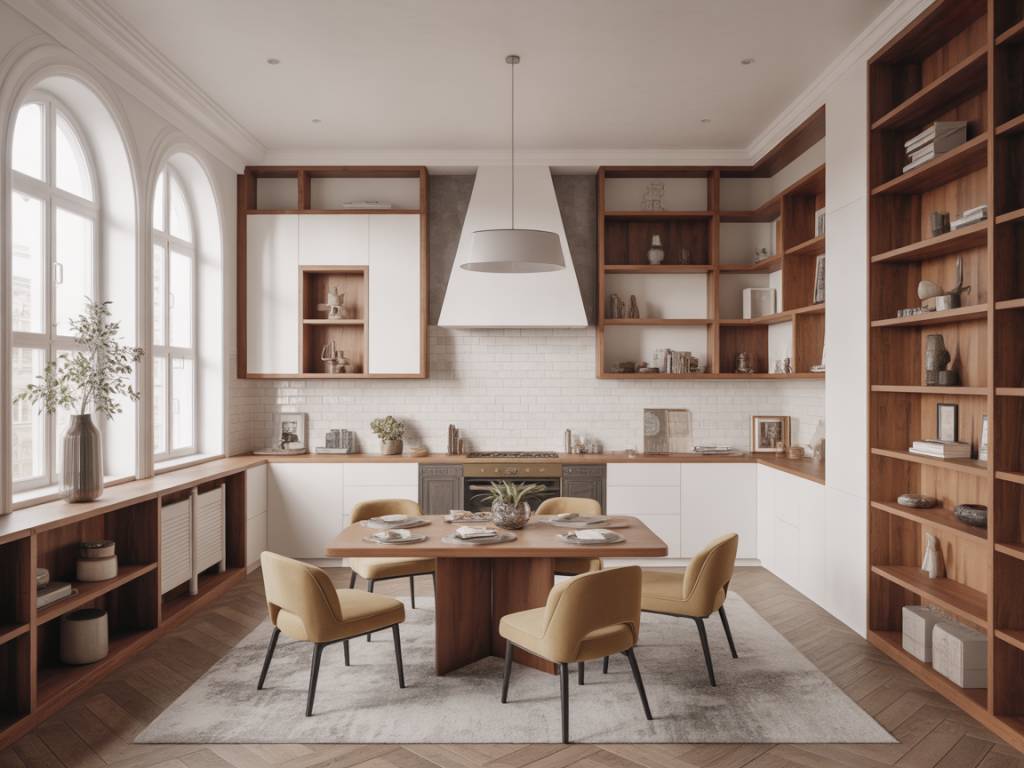
Renovating a contemporary home isn’t just about clean lines, big windows and beautiful moodboards on Pinterest. It’s a series of decisions – certains très visibles, d’autres complètement cachés – qui peuvent faire la différence entre un projet fluide et un chantier qui dérape en budget, en délais et en confort de vie.
After years of managing renovation projects, I’ve noticed the same mistakes coming back again and again, especially when owners aim for a “contemporary” result: open plans, minimalism, large formats, neutral palettes… and quite a few traps.
Let’s go through the most common renovation mistakes to avoid in a contemporary home remodel – and, above all, how to do things correctly, with concrete actions, budgets and points of vigilance.
Skipping the boring part: planning, permits and structure
Most disasters start before anyone has even picked up a hammer. The problem? People jump straight to the “design” phase and skip the unsexy basics: structure, regulations, technical constraints.
Typical mistakes:
- Opening a load-bearing wall without proper structural calculation “because the neighbour did it”
- Moving a kitchen or bathroom without checking slopes and plumbing capacities
- Starting demolition before getting permits, HOA approvals or architect sign-off
What to do instead:
- Order a structural assessment before planning major layout changes, especially for:
- Load-bearing walls
- Slab openings (new staircase, double-height void)
- Large window or sliding door openings in the façade
- Clarify the administrative framework:
- Ask your city hall about permits for façade changes, extensions, roof works
- Check HOA rules if you’re in a condo (noise hours, materials, exterior joinery colours, etc.)
- Freeze the layout before final design: don’t design kitchens and bathrooms until walls, openings and technical shafts are confirmed.
Budget indication: a structural engineer’s report can cost from €500 to €1,500 depending on project complexity. It’s infinitely cheaper than fixing a sagging opening or a non-compliant beam after the fact.
Red flag: any contractor telling you “we’ll just put a big beam, no need for an engineer” for a major opening. That’s your cue to walk away.
Confusing “contemporary” with “cold” (and impossible to live in)
Minimalist, white, clean… and freezing. One of the biggest traps is chasing a “gallery” look that might photograph well, but feels sterile and uncomfortable in real life.
Common design mistakes:
- All-white everywhere: walls, kitchen, floors, furniture
- Hard surfaces only: large format tiles, glass, metal, and nothing to absorb sound
- No storage (because “clutter-free” was taken too literally)
How to create a contemporary space that still feels like a home:
- Work with a limited palette, not a single colour:
- 3–4 main tones (e.g. warm white, light grey, oak, black accents)
- Variation of textures: matte, satin, natural fibres, wood grain
- Add sound absorption in open-plan spaces:
- Large rug in the living/TV area
- Acoustic curtains if you have large windows
- Upholstered chairs or panels for echo-prone zones
- Integrate storage into the architecture:
- Full-height wall of minimalist cabinetry in the hallway or living room
- Built-in bench with storage in the dining area
- Hidden utility storage in the entrance
Before/after case: one client wanted a “hotel lobby” living room: stone floor, white walls, no visible objects. Six months in, they were drowning in visible clutter because there was nowhere to put everyday items. We added a full-height storage wall with push-to-open doors and a large rug. Same contemporary vibe, but finally liveable.
Underestimating the power of natural and artificial light
Contemporary design loves large glazed surfaces and open spaces, but that doesn’t magically fix poor lighting. Many remodels end with beautiful finishes that look flat, gloomy or harsh because the lighting plan was an afterthought.
Mistakes to avoid:
- Only planning ceiling spots and nothing else
- Placing lighting based on the old layout (while the new one is completely different)
- Choosing cold white light everywhere “because it’s modern”
How to plan a contemporary lighting scheme:
- Start with natural light mapping:
- Note orientation (north, south, east, west)
- Identify dark corners and internal areas (corridors, bathrooms, walk-in closets)
- List potential new openings: internal window, glass partition, skylight
- Create at least 3 layers of light in each main room:
- General: dimmable ceiling spots or central light
- Task: under-cabinet kitchen lighting, reading lamp, office lamp
- Ambience: wall sconces, LED strip behind a headboard or in a niche
- Choose the right colour temperature:
- 2700–3000K (warm white) for living spaces and bedrooms
- 3000–4000K for kitchen and bathrooms (depends on your taste and finishes)
Budget tip: a proper lighting plan drawn with your electrician will add maybe a few hundreds of euros in design time and some extra cables, but will save you from ugly surface-mounted wires and complicated add-ons later.
Point of vigilance: decide exact switch locations and grouping before plasterboard is closed. Changing them afterwards is messy and expensive.
Ignoring insulation, acoustics and thermal comfort
Contemporary homes often have large glass areas, open volumes and hard surfaces. Beautiful, yes. But also a recipe for echo, drafts and overheating if you don’t anticipate comfort.
Typical oversights:
- No improvement of insulation during a cosmetic renovation (same old cold wall, just nicer paint)
- Large south-facing windows without external shading
- Bedrooms under the roof with poor acoustic insulation from outside or neighbours
What to do during a remodel:
- Evaluate existing envelope performance:
- Ask for an energy audit if your budget allows
- Prioritise walls, roof and windows before “cosmetics”
- Choose appropriate glazing:
- Double or triple glazing depending on climate and orientation
- Solar control glass or external blinds for large south/west openings
- Add acoustic treatment where needed:
- Acoustic underlay under hard floors in apartments
- Insulated partitions for bedrooms, office, bathrooms next to living areas
- Acoustic panels cleverly integrated (behind fabric, as decorative elements)
Budget ranges (very indicative):
- External wall insulation: from €120–€180/m² (labour + materials)
- Quality double-glazed windows: €500–€900 per unit depending on size and material
- Acoustic underlay: +€5–€15/m² compared to standard underlay
Don’t be fooled: repainting a cold, echoic room in beige won’t magically make it comfortable. If you already open walls and ceilings, use the opportunity to improve what you can’t see but will feel every day.
Choosing materials for looks only (and regretting maintenance later)
Instagram is full of microcement showers, marble counters and ultra-matte black fittings. In real life, not all of these are compatible with a busy, everyday home – at least not without understanding their constraints.
Missteps I often see:
- Very porous stone in a family kitchen
- Ultra-matte black taps in hard-water areas without a water softener
- Polished concrete or large tiles in slippery entrance halls
How to choose contemporary materials that age well:
- Define use level for each area:
- Entrance, kitchen, family bathroom: high traffic, frequent cleaning
- Guest room, secondary bathroom: moderate use
- Ask the right questions to suppliers:
- Is it stain-resistant? Needs sealing? How often?
- How does it react to acid (lemon, vinegar), limescale, scratches?
- What maintenance products are recommended or forbidden?
- Know your realistic options:
- Kitchen countertops: compact, quartz, sintered stone are often easier than marble
- Bathroom floors: textured porcelain or treated microcement for slip resistance
- Wood floors: engineered wood with good wear layer and matte varnish for easier care
Real-world example: a client insisted on a chalk-white matte floor tile throughout. Beautiful for the first week. Then every footprint, every drop of water showed. We ended up adding rugs everywhere and spending extra on cleaning products. Slightly warmer tone and a bit of variation in pattern would have saved them a lot of daily frustration.
Forgetting storage in the pursuit of “clean lines”
Contemporary interiors rely on visual calm: simple lines, few objects on display. That doesn’t mean people stop owning things. When storage isn’t planned, clutter takes over every horizontal surface and the “minimalist” effect disappears in three weeks.
Frequent storage mistakes:
- No full-height storage because “it will make the space smaller”
- A gorgeous island with nowhere to store everyday kitchen items
- No dedicated spots for coats, shoes, bags, cleaning equipment
How to design storage like a pro:
- Start with an inventory:
- How many coats, pairs of shoes, bags?
- How much tableware, appliances, food stock?
- Books, toys, sports gear, tools?
- Identify storage “zones” on plan:
- Entrance: coats, shoes, keys, mail, dog leash
- Living room: media, books, games, throws
- Circulation: linen cupboard, cleaning cupboard
- Use built-ins to keep things calm and contemporary:
- Handleless, full-height cupboards with minimal joints
- Same colour as the wall to visually “disappear”
- Deeper cupboards in less-visible spots (corridor ends, behind doors)
Budget idea: custom joinery can feel expensive (from €800–€1,500 per linear metre for quality work), but replacing it with random standalone furniture over time often ends up costing almost as much… without the integrated look.
Open-plan everything… without zoning
Opening up spaces is almost a reflex in contemporary renovations: kitchen-living-dining in one big room, sometimes including entrance and even workspace. Open-plan can work very well – if you think about acoustics, smells, views, and daily habits.
Open-plan mistakes:
- Cooking smells invading the whole home because there’s no door anywhere
- TV competing with kids’ homework and a Zoom call at the same table
- Entrance directly opening onto the living area with no buffer space
How to do open-plan intelligently:
- Create visual and functional zones:
- Change in floor material (e.g. tiles in kitchen, wood in living)
- Ceiling drops or beams to mark transitions
- Rug + lighting grouping for the living area
- Use partial separations instead of full walls:
- Glass partitions or internal windows
- Open shelving (not overfilled) between entrance and living
- Sliding or pocket doors for occasional separation
- Plan extraction properly:
- Effective hood (ideally ducted outside) sized to room volume
- Consider recirculating hoods only with good filters and realistic expectations
Point of vigilance: if you work from home regularly, carve out at least one spot that can be acoustically protected: a small office, a bedroom, even an alcove with a sliding partition.
Blowing the budget on finishes and forgetting the “hidden” line items
One of the quickest ways for a renovation to derail is misbudgeting. Owners often put all their energy (and money) into visible items – tiles, kitchen, furniture – and forget the technical and regulatory parts.
Classic budget traps:
- Underestimating electrical upgrades (especially in older homes)
- No allowance for unexpected issues discovered during demolition
- Forgetting all the “small” line items: plastering, priming, waste evacuation, scaffolding
How to build a realistic budget for a contemporary remodel:
- Start from a cost per m² for the type of renovation you’re doing:
- Light cosmetic (paint, floors, no layout change): roughly €300–€600/m²
- Medium (kitchen/bathrooms, some walls): roughly €700–€1,100/m²
- Heavy (structure, full technical upgrades): €1,200–€2,000+/m²
- Separate “envelope & technical” from “finishes & furniture”:
- Envelope & technical: structure, insulation, windows, plumbing, electrical, heating/cooling
- Finishes & furniture: floors, paint, tiles, kitchens, bathrooms, wardrobes, lighting fixtures
- Add a contingency:
- At least 10% of total budget for recent buildings
- 15–20% for older or poorly documented buildings
Red flag: if one quote is significantly lower than all the others, check what is missing: site protection, waste disposal, scaffolding, coordination fees… A suspiciously low price often means painful supplements later.
Starting work without a detailed plan and specs
“We’ll see as we go” is not a project strategy; it’s an invitation to delays, conflicts and change orders. A contemporary home, with its integrated details, custom joinery and complex lighting, requires precision.
Mistakes linked to poor planning:
- Electrical points that don’t align with furniture because the layout changed mid-way
- Wrong heights for windowsills or switches because no one checked against final finishes
- Contractors making design decisions on site because the drawings were vague
What you should have before demolition starts:
- Scaled layout plans with:
- All walls and openings
- Furniture layout (even at a basic level)
- Plumbing points and drains
- Electrical plan:
- Lights, switches, sockets, data points
- Heater/AC units, thermostats, control boxes
- Specs file (even a simple one) listing:
- Floor and wall finishes by room
- Door types, heights, hardware
- Sanitaryware, fittings, appliances
Practical tip: share the same up-to-date plan set with all trades and ask them to sign off on it as part of the contract. Any change afterwards should be written down, priced and validated before execution.
Trusting moodboards more than your actual lifestyle
Last mistake, and not the least: designing for the photos or for a fantasy version of your life instead of for the way you really live. That “perfect” minimalist loft with only a coffee machine on the counter might not survive your kids, your dog and your love of cooking.
Reality gaps I often see:
- No place to drop keys, bags and mail near the entrance
- Dining table too small for the number of people who actually eat there
- Bathroom with no closed storage because “bottles look pretty on open shelves”
How to align your contemporary remodel with real life:
- Observe your habits for a week:
- Where do things accumulate? (papers, chargers, laundry)
- Where do you naturally drop your bag, shoes, coat?
- Where do you work, read, cook, watch TV?
- Prioritise functions over images:
- If you cook daily, prioritise good worktop space and extraction over fancy open shelving
- If you rarely use a bathtub, invest in a generous shower instead
- Use inspiration images as a vocabulary, not a blueprint:
- Identify what you actually like (colour, material, layout, detail)
- Translate it into your own constraints: orientation, budget, regulations, existing structure
If there’s one guiding line to keep throughout your contemporary renovation, it’s this: every design decision should pass a double test – does it work for this house, and does it work for your life? If the answer is not a clear yes on both counts, adjust the plan before it turns into an expensive mistake on site.